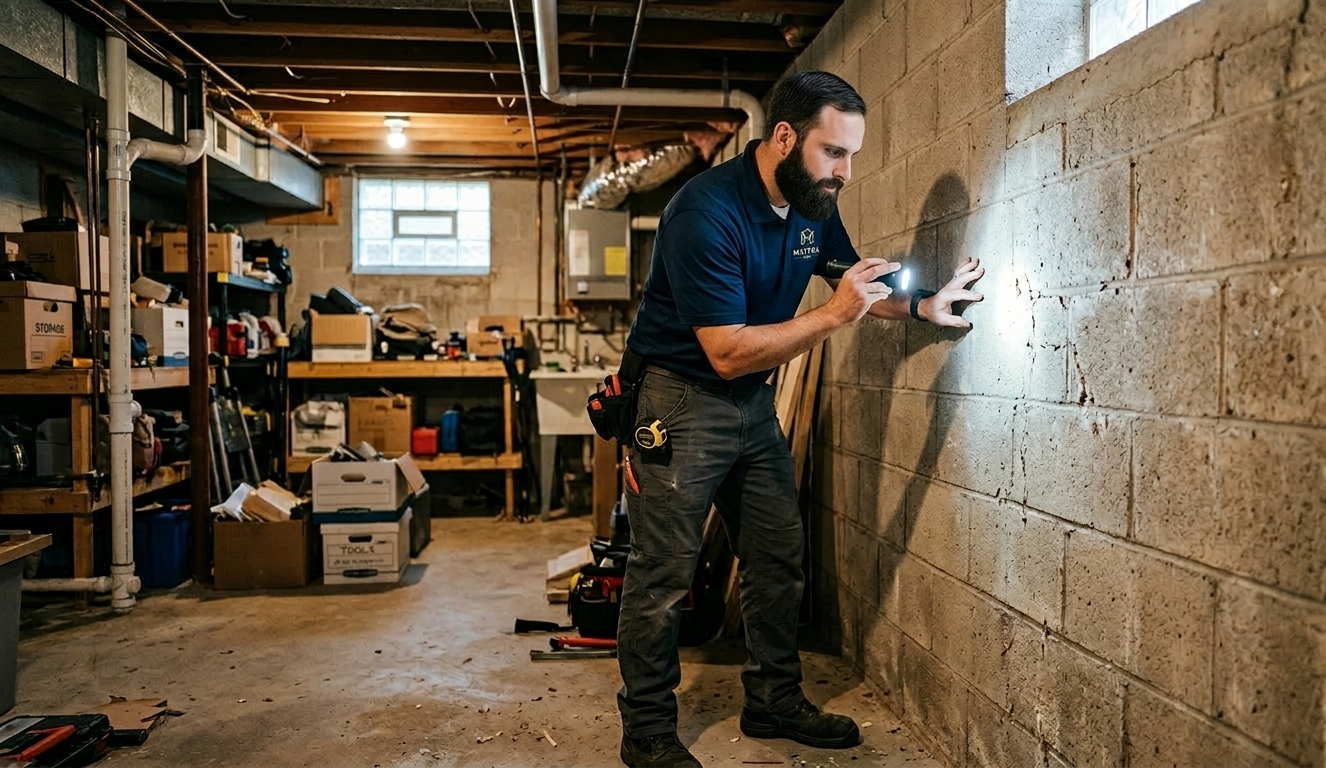

Top 3 Home Insulations: Spray Foam, Blown-in Cellulose, & Fiberglass
Introduction
Choosing the right insulation for your home is not just a matter of cost—it's about comfort, energy efficiency, and creating a sustainable living environment. Inadequate insulation leads to energy waste, higher utility bills, and discomfort during extreme temperatures. Additionally, poor insulation can contribute to moisture accumulation, fostering mold growth that can compromise indoor air quality and structural integrity.
This article will explore the top three insulation types: spray foam, blown-in cellulose, and fiberglass, with a particular emphasis on why spray foam and blown-in cellulose might be the superior choices for most homes. Both options provide excellent moisture control, preventing mold while ensuring your home stays warm in winter and cool in summer.
Spray Foam Insulation: Enhancing Home Efficiency and Strength
Overview of Spray Foam
Spray foam insulation is a product that expands and hardens upon application, creating a tight thermal envelope around your home. It comes in two main types: open-cell and closed-cell, each serving different insulation needs but with the closed-cell variant being notable for its moisture barrier properties and higher R-value.
Benefits of Spray Foam
Spray foam stands out as the best insulation option due to its expansive nature that tightly seals all nooks and crannies where it's applied. Unlike traditional materials, spray foam expands upon application, filling even the hardest-to-reach areas and creating an airtight seal. This capacity makes it ideal for use in areas other insulations can't effectively cover, such as around piping, in attics, or in crawl spaces.
Importance of Thickness and Density
The effectiveness of spray foam insulation largely depends on the correct application of thickness and density. Proper installation ensures optimal performance, maximizing its R-value (the measure of thermal resistance) and ensuring that the home is well-protected against temperature fluctuations.
Closed-Cell Benefits
Closed-cell foam is particularly beneficial for enhancing the structural integrity of buildings. It adds rigidity and strength to the walls, with studies showing that it can increase a structure's resistance to wind and pressurization by up to 400%. This makes it an excellent choice for areas prone to severe weather conditions.
Application Process
Applying spray foam requires professional installation as the chemicals need careful handling and precise mixing during application. It is sprayed into open wall cavities, attics, and under floors, where it expands and hardens, forming a permanent barrier.
Blown-In Cellulose: Perfect for Retrofitting and New Builds
Blown-in cellulose insulation is a type of insulation material made from recycled paper products, primarily newsprint, that is treated with fire retardants. It is installed by blowing the loose material into wall cavities, attic spaces, or between floors using special pneumatic equipment. This method allows for the insulation to fill in gaps and spaces thoroughly, making it ideal for retrofitting existing structures and enhancing energy efficiency by providing an effective barrier against heat transfer and sound.
Appropriate Uses
Blown-in cellulose is often recommended for older homes where minimal invasiveness is crucial. It's also effective for new construction, particularly when looking to utilize an eco-friendly insulation solution that still provides excellent thermal and acoustic performance. Cellulose is applied generally at a depth of 18” or R60
Benefits of Blown-in Cellulose
Made from recycled paper products, cellulose is an environmentally friendly option. It performs well both thermally and acoustically, making it a preferred choice for homeowners concerned with energy conservation and noise reduction. Cellulose is a blend of recycled newspaper and boric acid ‘soap’ that acts as a fire retardant, dry's the exoskeletons of insects and gets in the eyes of rodents repelling them.
Application Process
Professional equipment is used to blow the cellulose into wall cavities, attic spaces, and other needed areas. This method ensures even distribution and proper density, which are critical for optimal performance.
Fiberglass Insulation: An Economical, DIY-Friendly Choice
DIY Application
Fiberglass batts are well-suited for DIY projects due to their ease of handling and installation. Homeowners can cut the batts to fit various spaces without the need for specialized equipment. Fiberglass batts do not create a uniform and consistent blanket like cellulose does.
Comparative Effectiveness
While fiberglass is cost-effective and easy to install, its insulation quality is generally lower than that of spray foam or cellulose. Graphical comparisons of R-value per inch often show fiberglass as having lower thermal resistance, making it less effective in extremely cold or hot climates. There can be many thermal breaks and places for air to escape between batts.
Limitations of Fiberglass
Fiberglass is less effective at preventing air leakage compared to other types. It must be meticulously installed to cover gaps completely, which can be challenging in irregular spaces.
Application Process
Fiberglass is typically installed between studs, joists, and beams. It must be cut to fit snugly around obstacles and taped or sealed to prevent air gaps.
Upgrade Your Home Insulation with Mattra
Improving your home's insulation is an investment in comfort, energy efficiency, and long-term savings. At Mattra, we understand the unique challenges posed by Maine's climate and are dedicated to helping you find the perfect insulation solution.
Contact us today through our get-started form or call us at (207) 777-6020 for a free quote. Remember, with Efficiency Maine's rebates, you could qualify for at least 40% off, and potentially up to 100% off, the cost of upgrading your home's insulation. Don't miss out on these fantastic savings—reach out now to see how much you can save!